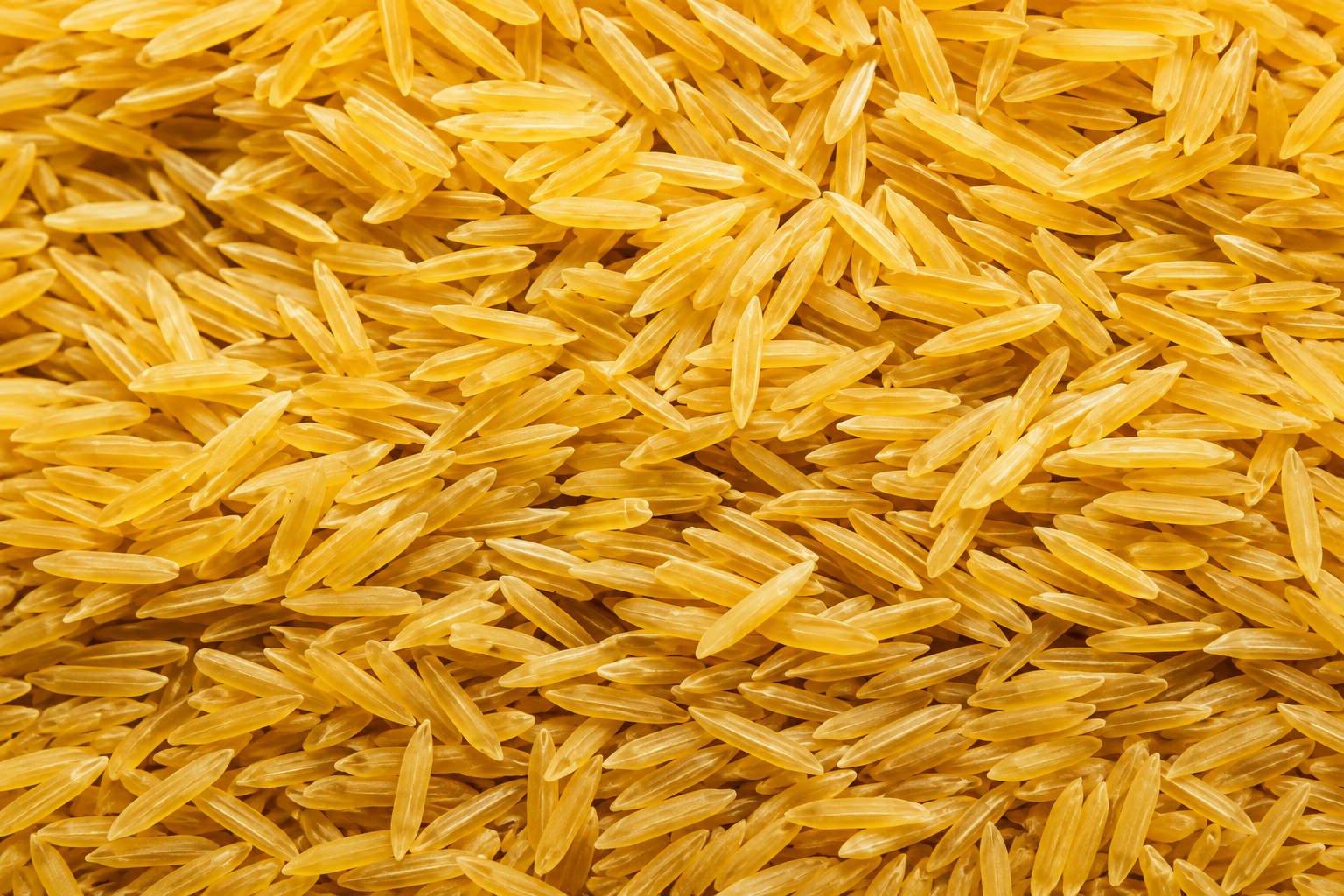
India is one of the world's largest producers of agricultural commodities — basmati rice, spices, pulses, dehydrated vegetables, oilseeds, and fresh produce. For global buyers and Indian exporters alike, navigating the export process can feel complex. This guide walks you through every stage, from registration to shipment, drawn from AmarBharat Exim's experience supplying 50+ countries.
1. Get Your Import Export Code (IEC)
The Import Export Code (IEC) is a 10-digit identifier issued by the Directorate General of Foreign Trade (DGFT). It is mandatory for any commercial export from India. Apply online via the DGFT portal with your PAN, bank certificate, and address proof — issuance typically takes 1–3 working days.
2. Register with APEDA
For agricultural and processed food exports, register as a Registered Cum Membership Certificate (RCMC) holder with the Agricultural and Processed Food Products Export Development Authority (APEDA). APEDA registration unlocks export incentives, market intelligence, and access to international trade fairs. It covers basmati rice, fresh fruits and vegetables, dairy, honey, cereals, and processed foods.
3. Comply with FSSAI and Quality Standards
Food exports require an FSSAI license for the manufacturing or processing unit. Buyers in the EU, GCC, US, and UK additionally expect:
- Pesticide residue testing as per importing country MRLs
- Aflatoxin and heavy-metal testing for spices and nuts
- Halal certification for GCC and Southeast Asia
- Kosher certification where relevant
- ISO 22000 / HACCP for food safety management
4. Prepare Export Documentation
A typical agri-export shipment needs these documents. Errors here are the #1 cause of port delays:
- Commercial Invoice and Packing List
- Bill of Lading (Ocean) or Airway Bill
- Certificate of Origin (COO) — issued by APEDA or chamber of commerce
- Phytosanitary Certificate — from Plant Quarantine for plant-origin goods
- Certificate of Analysis (COA) from an accredited lab
- Fumigation Certificate where required
- Shipping Bill filed via ICEGATE
- Letter of Credit or buyer's purchase order
5. Packaging That Survives the Journey
Export packaging must withstand 30–45 days of ocean transit, temperature swings, and rough handling. AmarBharat Exim ships in PP woven bags (25/50 kg), jute bags, BOPP printed retail packs (1/5/10 kg), vacuum-sealed cartons, and private-label master cartons. For Basmati rice, non-woven liners protect aroma; for dehydrated onion, moisture-barrier laminates preserve crispness.
6. Logistics, Incoterms and Shipping
Decide upfront with the buyer whether you are quoting FOB, CIF, CFR, or DDP. India's major agri-export ports are Mundra, Nhava Sheva (JNPT), Kandla, and Chennai. Plan for 5–10 days of CFS handling plus the ocean transit time — Gulf 7–10 days, Europe 18–25 days, US East Coast 25–30 days.
7. Payments and Export Incentives
Most international buyers settle via Letter of Credit (LC), advance TT, or documents against payment (D/P). Indian exporters can claim benefits under RoDTEP, Duty Drawback, and Interest Equalisation, plus state-level agri-export subsidies. File realisation reports (BRC/eBRC) within nine months to stay compliant with RBI.
8. How to Verify an Indian Exporter
Before signing any contract, run these four checks — each one is a public record that takes minutes to verify:
- IEC validity — ask for the 10-digit IEC and confirm it on the DGFT portal's “Know Your IEC” search
- APEDA RCMC — request the RCMC number and match it against APEDA's published RCMC holder list
- Company registration — check the entity on the Ministry of Corporate Affairs (MCA) master data
- Export track record — ask for bank realisation certificates (eBRC) or buyer references from past shipments
A genuine exporter will share these documents without hesitation. Treat any refusal to provide an IEC, RCMC number, or sample COA as a red flag.
9. A Realistic First-Shipment Timeline
For buyers working with an established exporter, a first container typically moves through these stages:
- Days 1–3 — enquiry, specification sheet, and proforma invoice with Incoterms and payment terms
- Days 4–7 — sample dispatch by courier, third-party or in-house COA, and contract signing
- Days 8–20 — production or procurement, in-process QC, and pre-shipment third-party inspection
- Days 21–30 — documentation (COO, phytosanitary, fumigation), customs filing, and container loading
- Day 31 onward — ocean transit, arrival notice, and document handover for clearance at destination
Exact durations vary by product, season, and destination port — confirm the schedule for your product before committing to a delivery window.
See what we export
Browse AmarBharat Exim's catalogue of Basmati and non-Basmati rice, spices, dehydrated onion and garlic, pulses, and agro commodities — or view our certifications.
Work with a Trusted Partner
The export process rewards detail. Documentation gaps, packaging shortcuts, or quality lapses become expensive at the port of discharge. Partnering with an established Indian exporter compresses the learning curve and gives your buyers confidence in every shipment.
Ready to source from India?
AmarBharat Exim handles end-to-end: sourcing, QC, documentation, packaging, and logistics.
Request a Quote